Camden Road removals advice for narrow street access
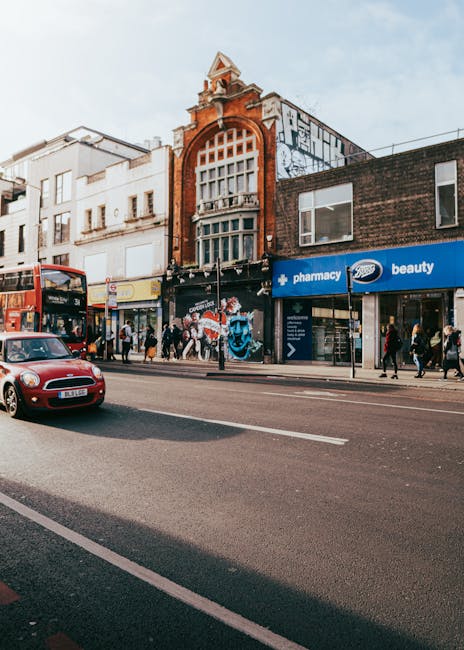
If you are planning a move around Camden Road, you will already know the issue is not always the packing. It is the street itself. Tight bays, parked cars, passing traffic, awkward corners, shared pavements, and buildings that seem designed by someone who never carried a wardrobe upstairs. That is exactly why Camden Road removals advice for narrow street access matters: it helps you avoid delays, protect your belongings, and keep the day calm enough to think clearly.
In practical terms, the trick is not just "getting a van there". It is about access planning, vehicle choice, parking control, loading distances, and timing. Get those right and the move feels manageable. Get them wrong and even a short move can turn into a long morning of shuffling boxes, waiting around, and wondering why the sofa looks larger than your doorway. This guide walks through what to do, what to avoid, and how to make narrow-street removals feel far less stressful.
Why Camden Road removals advice for narrow street access Matters
Camden Road and the streets around it can be lively, busy, and a bit unforgiving for removals vehicles. If you have ever watched a van try to squeeze into a road where one side is lined with parked cars and the other is busy with local traffic, you will know the feeling. It is tense. A little bit of planning goes a long way.
Narrow street access matters for three simple reasons: time, safety, and control. Time because loading from a distance takes longer. Safety because moving heavy furniture in tighter spaces increases the chance of bumps, trips, and damage. Control because you may need to manage where the vehicle waits, how boxes are carried, and whether you can use a smaller vehicle rather than a full-size truck.
For local moves, especially in London, the street layout often affects the whole day more than the distance between addresses. A short move across town can be harder than a longer one with easier parking. That is the bit people sometimes miss. The address looks close on paper, then the van has to stop two streets away and suddenly the plan needs a rethink.
Expert summary: For narrow-street removals, the best outcome usually comes from matching the vehicle and crew size to the actual access, not the size of the property. Access beats assumptions every time.
If you are comparing service options, it can help to understand how a full home move differs from a smaller load. Pages like home moves and man and van give a useful sense of the scale and flexibility available, while house removalists may suit a more structured relocation with multiple rooms or heavier furniture.
How Camden Road removals advice for narrow street access Works
The basic idea is straightforward: you reduce the gap between where the van can legally and safely stop and where items need to be collected or delivered. In a wide suburban street, that gap might be tiny. On Camden Road, or in similarly tight London streets, it can be much larger.
Good access planning usually starts before moving day. You look at the street width, any parking restrictions, turning space, nearby loading areas, lift access if applicable, staircases, and the size of the furniture itself. Then you match those details to the right vehicle and crew. Simple in theory, but there are a few moving parts, no pun intended.
Here is how it typically works in practice:
- Survey the access: note the width of the road, the position of parked cars, bollards, gates, or railings.
- Choose the vehicle carefully: a smaller van may be more practical than a larger truck if space is tight.
- Plan the loading point: identify where the van can wait without blocking traffic or causing issues.
- Prepare the property: clear hallways, measure large items, and remove obstacles early.
- Allow for carry distance: if the van is not directly outside, budget extra time and labour accordingly.
That last point matters more than people expect. A carry distance of even 30 or 40 metres can make a meaningful difference when there are mattresses, wardrobes, and boxes involved. Truth be told, it is not glamorous work, but it is the kind of detail that prevents the day from going sideways.
If you are also dealing with packing pressure, a service such as packing and unpacking services can take a lot of the strain off, especially when narrow access means every box needs to be compact, sturdy, and easy to move quickly.
Key Benefits and Practical Advantages
The right approach to narrow street removals gives you more than convenience. It gives you breathing room. And on moving day, breathing room is underrated.
- Less delay: a van that fits the access properly is less likely to spend time circling or waiting.
- Lower damage risk: fewer awkward turns and fewer rushed lifts mean less chance of scuffs and knocks.
- Better crew efficiency: movers can keep a steady rhythm instead of stopping and restarting every few minutes.
- Cleaner coordination: everyone knows where to park, where to walk, and how long it should take.
- Reduced stress: there is something calming about a plan that actually fits the street in front of you.
Another practical benefit is cost control. If access is poor and no one has planned for it, the job can take longer than expected. That may affect labour time or require a second trip. On the other hand, a smaller vehicle or a more precise plan can often keep the move leaner and simpler. If you are comparing service scopes, the information on pricing and quotes is useful for understanding how move size and access conditions can influence the estimate.
There is also the goodwill factor. Neighbours notice when a move blocks the street for too long. So do delivery drivers. So does anyone trying to get past with a buggy, a pram, or a shopping trolley. Keep things orderly and you make life easier for yourself and the people around you. Nice side effect, that.
Who This Is For and When It Makes Sense
This advice is for anyone moving into, out of, or within a narrow-access area around Camden Road. That includes flat moves, house moves, studio apartments, split-level properties, and even office or small business relocations where loading space is tight. If you are thinking, "My place is only one or two rooms, do I really need to think this hard?" the answer is usually yes, because access can matter more than volume.
It makes particular sense if any of these sound familiar:
- The street has limited parking or active permit controls.
- Large items need carrying through a front door, gate, or narrow hallway.
- You are moving at a busy time of day.
- The property is on an upper floor without easy lift access.
- The area has one-way roads, frequent delivery traffic, or school-run congestion.
Commercial clients should also pay attention. A small office relocation, for example, can be straightforward on paper yet awkward in practice if vans cannot stop close enough to the entrance. For business moves, office relocation services and commercial moves are worth reviewing because they tend to focus more on planning, timing, and keeping disruption down.
And if your plan is a lighter move with fewer items, a flexible service like man with van or removal truck hire may be a better fit than hiring something oversized and hoping for the best. Hope is not a strategy, as the saying nearly goes.
Step-by-Step Guidance
Below is a practical process you can follow if you want to prepare properly for a narrow street move around Camden Road. Keep it simple. The goal is progress, not perfection.
-
Measure the problem areas first.
Check the width of the street, the width of any gates or entrances, and the size of your biggest items. A tape measure can save you from an awkward day. Measure sofas, wardrobes, bed frames, and appliances, not just boxes.
-
Walk the route from property to vehicle.
Stand at the front door and imagine the path to the van. Is there a sharp bend? A step? A low wall? A bin store? Those little obstacles add up. They really do.
-
Decide whether a smaller vehicle is wiser.
If the road is tight, a smaller van can sometimes reduce the whole headache. A huge vehicle that cannot park properly is less helpful than a well-sized van with a workable loading position.
-
Separate fragile or awkward items early.
Glass, mirrors, lamps, art, and disassembled furniture should be grouped in a way that makes them easier to handle. You do not want the crew making decisions on the pavement while traffic passes.
-
Plan timing with the street in mind.
Early morning is often calmer than late morning, though that depends on the road and local activity. Avoid times when the street is busiest if you can. A quiet 7:30 a.m. can feel very different from a packed 10:00 a.m.
-
Leave a buffer.
Things go wrong in tiny ways: someone parks where you hoped to stop, rain slows the carrying, or the wardrobe foot catches on a step. A buffer gives you room to handle the wobble without panic.
If your move involves bulky items, it is worth reading more about safe handling. Guides such as how to prepare and lift heavy items by yourself and kinetic lifting practices can help you think through the basics, though for genuinely heavy pieces it is usually better not to freestyle it.
Expert Tips for Better Results
These are the small, practical things that often make the biggest difference on tight-access jobs.
- Use colour-coded labels. It sounds simple, but when boxes are coming from a narrow hallway to a small vehicle, clear labels save time.
- Disassemble more than you think you need to. A few extra bolts removed in advance can turn a difficult carry into an easy one.
- Protect the corners. In narrow passages, corners get knocked first. Use blankets, edge guards, or proper wrapping where needed.
- Keep the entrance clear. Shoes, plants, umbrella stands, and random bits of clutter all seem harmless until they are in the way.
- Assign one person to gatekeeping decisions. Too many voices on a tight pavement can slow everything down.
One small habit I have seen work well is to keep a "first off, last on" box for kettle, phone chargers, basic tools, and a snack or two. On a cramped street move, those little comforts matter. The kettle especially. It is funny how quickly the need for tea becomes very serious.
If you are moving near busy local landmarks or on roads with a lot of through traffic, take a little extra care with timing. Not every street behaves the same way, even a few hundred metres apart. That is one of those lovely London quirks, isn't it?
Common Mistakes to Avoid
Most problems on narrow street removals come from assumptions. Reasonable assumptions, maybe, but still assumptions. Here are the ones that cause the most grief.
- Assuming a standard van will fit: the street may look passable until parked cars make it effectively too tight.
- Ignoring carry distance: people remember the van size and forget the walk from door to vehicle.
- Not measuring large furniture: a sofa that clears the hallway is not necessarily fine for the stairs or vehicle ramp.
- Leaving packing until the morning of the move: that is how good plans become frantic ones.
- Forgetting about neighbours and building access: shared entrances, lifts, and door codes need to be lined up in advance.
- Overloading boxes: heavy boxes are harder to carry over longer distances and more tiring in narrow spaces.
There is also a subtle mistake people make with confidence: they believe the hardest part is the property, when often the street is the real issue. On a narrow road, a move can be perfectly organised indoors and still slow down outside. That is why it helps to think in terms of the entire journey, not just the front room.
For moves that create extra waste or unwanted furniture, it is smart to plan disposal rather than leaving it until the last second. The article on avoiding bulky waste fees during a London move is a useful reminder that clear-out decisions and access planning often go hand in hand.
Tools, Resources and Recommendations
You do not need a truckload of equipment to manage a narrow street move well. A few basic tools and the right service options usually cover the job.
| Tool or service | Why it helps | Best for |
|---|---|---|
| Tape measure | Checks furniture, doors, and access widths before moving day | Any move with large items |
| Furniture blankets and wrap | Protects corners and surfaces in tight corridors and on short carries | Fragile or polished furniture |
| Dolly or sack truck | Reduces effort for boxes and heavier loads, where terrain allows | Flats and short urban carries |
| Smaller removal vehicle | Improves access on tight roads and can make parking simpler | Narrow streets, central areas, and short moves |
| Packing support | Speeds up preparation and reduces risk from poorly packed boxes | Busy households and time-sensitive moves |
For broader move support, moving truck options may suit larger households, while furniture pick-up can be useful if you are removing a few bulky pieces before or after the move. If sustainability matters to you, the page on recycling and sustainability is worth a look as part of a declutter-first approach.
And if you want to get more organised before the van arrives, declutter room by room is a sensible read. Less clutter generally means easier access. Which sounds obvious, but it gets forgotten a lot.
Law, Compliance, Standards, or Best Practice
For narrow street removals in London, compliance usually comes down to parking, loading, access, safety, and good neighbourly practice. Exact requirements can vary depending on the street, the borough, and the time of day, so it is wise to confirm details in advance rather than assume the road works the same way as last time.
In practical terms, best practice often includes:
- checking whether loading is permitted where the vehicle may need to stop;
- avoiding obstruction to residents, emergency access, or footway use;
- making sure items are carried safely and not dragged across pavements;
- using suitable lifting techniques and enough people for heavy items;
- keeping the route clear and reducing trip hazards around the entrance.
It is also sensible to look at company policies around safety and insurance. Documents such as health and safety policy and insurance and safety can help you understand how a provider approaches risk, while terms and conditions and payment and security help set expectations clearly. Not exciting reading, admittedly. But useful.
If your move involves skipped items, old furniture, or a lot of packing waste, it is better to handle disposal responsibly than to leave it on the street. The page on furniture disposal laws in London boroughs offers a sensible reminder that removal and disposal should be planned together, not treated as separate headaches.
Options, Methods, or Comparison Table
Choosing the right setup is usually about balancing access, volume, and urgency. Here is a simple comparison to help you decide.
| Method | Best use | Pros | Trade-offs |
|---|---|---|---|
| Man and van | Small to medium moves with tricky access | Flexible, often easier in tight streets, good for short notice | Less suited to very large households |
| Full removal crew | Larger homes or more complex relocations | More hands, more structure, less lifting for you | May need more parking space and planning |
| Removal truck hire | When you need more load space and have workable access | Useful for bigger volumes and coordinated loads | Can be awkward on very narrow roads |
| Mixed approach | Access is tight but volume is moderate | Combines flexibility with capacity planning | Needs clear coordination to avoid confusion |
There is no universal winner here. The right choice depends on the street, the furniture, and how much help you want on the day. If you are moving just a few pieces or a one-bedroom flat, a smaller service may be enough. If you are moving a full family home with stairs and long carries, a bigger team may be the safer bet. Simple, really, though not always easy.
Case Study or Real-World Example
Here is a typical scenario. A couple moving from a flat near Camden Road has two large wardrobes, a bed frame, a sofa, and a handful of boxes. On paper, it looks like a straightforward half-day move. Then the reality shows up: the street is tight, parking is limited, and a couple of spaces are already occupied when the van arrives.
Instead of trying to force a large vehicle into a bad position, the team uses a smaller van, stages the boxes near the front door, and keeps a clear walking route from the entrance to the vehicle. One person watches for pedestrians and passing cars while the others keep a steady carry rhythm. The wardrobes are dismantled in advance, which saves a lot of awkward angling. Nothing dramatic. Just smart choices, one after another.
The result is not magic. The move still takes effort. But it runs smoothly because the access problem was treated as a real planning issue, not a minor detail. That is the bit people tend to appreciate afterwards: the calm, unremarkable finish. By lunchtime the kettle is out, the bed is upright, and everyone is still speaking to each other. A good sign.
If the move includes a lot of extras, such as loose furniture, boxes needing storage, or items you are not keeping, you may want to read about streamlining your house move and avoiding common packing mistakes. Small improvements there can make a surprisingly big difference once the van is at the kerb.
Practical Checklist
Use this checklist a day or two before the move. It is simple, but it covers the important bits.
- Measure the street access and front entrance.
- Confirm where the vehicle can stop legally and safely.
- Check for parking restrictions, loading limits, or permit needs.
- Measure large furniture and doorways.
- Disassemble items that will not fit easily in one piece.
- Pack fragile items securely and label them clearly.
- Clear hallways, stairs, and the area by the front door.
- Keep keys, building access details, and contact numbers ready.
- Set aside a box for essentials you need first.
- Confirm the arrival window and any plan B for tight parking.
- Protect floors, corners, and banisters if needed.
- Tell neighbours if the move may briefly affect access.
A quick check now saves a lot of faffing later. And moving day already has enough of that.
Get a free quote today and see how much you can save.
Conclusion
Camden Road removals advice for narrow street access is really about making the move match the street, not pretending the street will somehow adapt to the move. Once you plan around parking, vehicle size, carry distance, and timing, everything becomes more manageable. You still have to do the work, of course, but you do it with fewer surprises and far less stress.
If you remember only one thing, make it this: narrow access is a planning issue, not a problem to be solved on the day. Measure early, choose the right vehicle, clear the route, and allow a little extra time. That is how you keep the move calm, efficient, and a bit more human. Which, let's face it, is exactly what you want when boxes are everywhere and the kettle is nowhere near unpacked.
Keep it steady, keep it simple, and give yourself permission to do the job properly. The street may be tight, but your move does not have to feel that way.
Frequently Asked Questions
What should I check first for a narrow street move on Camden Road?
Start with the street width, parking conditions, and the route from the property to the vehicle. Then measure large furniture and confirm whether any loading or stopping restrictions apply.
Is a smaller van better for narrow streets?
Often, yes. A smaller van can be easier to park and position safely on a tight road. It is not always the right answer, but it is usually worth considering before booking a larger vehicle.
How much extra time should I allow for difficult access?
It depends on the distance from the property to the vehicle, the number of large items, and how busy the street is. It is sensible to build in a buffer rather than plan the day too tightly.
Do I need to measure furniture before moving day?
Yes, especially for sofas, wardrobes, beds, and appliances. Measurements help you avoid the nasty surprise of discovering an item clears the room but not the doorway or staircase.
What if parking is already taken outside the property?
Have a fallback plan. That may mean a different loading position, a smaller vehicle, or a slightly adjusted arrival time. On busy London streets, parking is rarely guaranteed, so flexibility matters.
Can removals teams carry items from farther away if they cannot park right outside?
They usually can, but the carry distance affects the time and effort required. That can influence the quote and the overall pace of the move, so it is worth being honest about access from the start.
What are the biggest mistakes people make with narrow street removals?
The most common mistakes are underestimating the street, ignoring parking restrictions, not measuring furniture, and leaving packing too late. Those four alone cause a lot of avoidable stress.
Is packing service useful for a narrow access move?
Yes, it can be. Well-packed boxes are easier to carry, stack, and protect during a tight-access move, and professional packing can save time when the loading area is limited.
What if I have heavy furniture and stairs as well as narrow access?
That combination calls for extra care. Disassemble what you can, protect the route, and make sure enough people are involved to move the item safely. Heavy items and narrow stairs are not a good place for guesswork.
How do I know whether I need a full removal crew or just a man and van?
Think about volume, access, and how much help you want on the day. A smaller move with tight access often suits a flexible vehicle-based service, while larger homes or more complex jobs usually benefit from a fuller crew.
Should I tell the removal company about access problems in advance?
Absolutely. The more accurate the access information, the better the plan. If there is a gate, a steep carry, limited parking, or a narrow turning area, mention it early so the team can prepare properly.
What is the best way to reduce stress on moving day?
Prepare early, keep the route clear, label boxes well, and choose a move plan that fits the actual street conditions. Once the access is sorted, the rest tends to feel much more manageable.