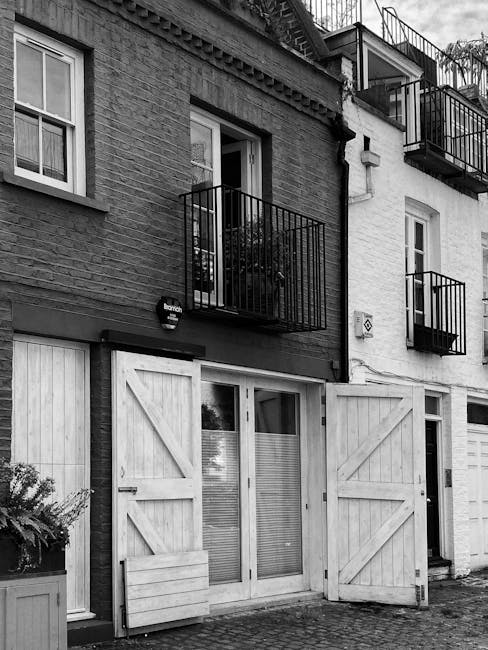
Notting Hill Piano Relocation: A London Case Study
Moving a piano through Notting Hill is rarely a simple lift-and-load job. Between narrow streets, parking pressure, tall Victorian conversions, awkward staircases, and the sheer weight of the instrument itself, a piano move in this part of London asks for planning, patience, and the right kit. This Notting Hill Piano Relocation: A London Case Study looks at what makes the job different, how a professional move is usually handled, and what you should think about before the first blanket goes on. If you have ever wondered whether a piano can be moved safely without drama, the short answer is yes - but only if the detail is right.
In practice, piano relocation is as much about protection and route planning as it is about strength. That tends to surprise people. A grand piano in a wide suburban driveway is one thing; a piano squeezed out of a Notting Hill terrace on a damp London morning is another altogether. Let's break it down in a way that is useful, honest, and actually usable when the moving day clock starts ticking.
Table of Contents
- Why Notting Hill Piano Relocation Matters
- How the Relocation Process Works
- Key Benefits and Practical Advantages
- Who This Is For and When It Makes Sense
- Step-by-Step Guidance
- Expert Tips for Better Results
- Common Mistakes to Avoid
- Tools, Resources and Recommendations
- Law, Compliance, Standards, or Best Practice
- Options, Methods, or Comparison Table
- Case Study or Real-World Example
- Practical Checklist
- Conclusion
- Frequently Asked Questions
Why Notting Hill Piano Relocation Matters
Notting Hill has a very particular moving profile. You get period homes, converted flats, basement access, communal entrances, tight mews, and streets where parking can be a small headache all by itself. Add a piano into that mix and the margin for error shrinks fast.
A piano is not just heavy. It is awkwardly balanced, sensitive to knocks, and often valuable in more than one sense. A family upright might have sentimental value. A concert grand may represent a serious investment. Either way, damage can happen in a blink: a chipped leg, a stressed frame, a scratched finish, or tuning issues after a rough move. Nobody wants that sort of surprise on a Tuesday afternoon.
What makes Notting Hill especially relevant is the way the built environment changes the move. A route that looks straightforward on a map can become tricky at the door. You may have to manage steps, a narrow hallway, a bend on the landing, or a front door that barely opens wide enough for a piano dolly to pass. In other words, the property often matters more than the postcode.
There is also the wider London factor. Timing, parking, neighbour access, and loading space can affect how the move unfolds. A piano relocation done properly takes those details seriously from the start, not halfway through when everyone is already sweating a bit.
Expert summary: In Notting Hill, the success of a piano move usually depends less on brute force and more on route planning, protective wrapping, measured handling, and local access awareness.
How Notting Hill Piano Relocation: A London Case Study Works
A proper piano relocation is usually a sequence, not a scramble. The steps may vary depending on whether you are moving an upright, baby grand, or full grand, but the basic logic stays the same. Assess the piano, assess the access, protect the instrument, move it with controlled handling, then position it carefully at the destination.
First comes the survey. This may be done in person or from detailed photos and measurements. The aim is to understand the weight, size, shape, access points, floor type, stair configuration, and any awkward turns. In many London properties, those last two matter as much as the piano itself.
Then comes protection. Skilled movers typically use padded covers, blankets, straps, and suitable moving equipment. A grand piano may need partial disassembly, such as removing the legs and lyre assembly, depending on the route. That is not overkill. It is often the difference between a calm move and a very expensive oops.
The movement phase is where technique matters most. Teams normally coordinate lifting points, use dollies or skids where suitable, and keep communication tight. One person leads, others follow the pace, and nobody rushes a corner. It sounds obvious, but honestly, the temptation to hurry is where most avoidable problems begin.
Finally, the piano is placed in its new position. This should be done with care for flooring, wall space, humidity, and future use. If the room is tight, there is usually a better spot than the one that first seems obvious. You do not want to discover later that the lid cannot open fully or that the instrument blocks the radiator. That happens more often than people think.
What a good move usually includes
- Pre-move measurement of all access points
- Assessment of piano type and condition
- Protective wrapping for the body, legs, and edges
- Safe handling equipment matched to the load
- Clear communication during stair or doorway manoeuvres
- Careful placement at the destination
Key Benefits and Practical Advantages
There are obvious benefits to using a specialist approach, but the less obvious ones matter too. Yes, the piano is protected. Yes, the move is faster than a improvised DIY effort. But there is more to it than that.
Reduced risk of structural damage is the big one. Pianos are engineered instruments. A bad jolt can affect casters, pedals, joints, the soundboard, or the exterior finish. A careful move protects both appearance and function.
Less stress for everyone involved is another real benefit. Moving day is already full of decisions. When the piano is one of the heaviest and most delicate items in the property, having a calm, planned process changes the mood of the whole day. That sounds soft, but it matters.
Better protection for the building is often overlooked. Hallways, banisters, stone steps, and wooden floors in Notting Hill homes can be vulnerable. Proper handling reduces the chance of marks, dents, or scuffs on the property itself.
More predictable timing also helps. A planned relocation is less likely to be derailed by missing equipment or a last-minute access problem. In London, that sort of predictability is gold.
There is also a financial angle. Repairing a damaged piano, or dealing with damage to a staircase or wall, can cost far more than the extra planning needed to move it properly. To be fair, a piano move is one of those situations where caution usually pays for itself in peace of mind if nothing else.
Who This Is For and When It Makes Sense
This kind of relocation is relevant to a fairly wide group of people. It is not just for professional musicians, though they are certainly among the most cautious for good reason.
You may need piano relocation if you are:
- moving house within Notting Hill or elsewhere in London
- bringing a piano into a flat with stair access or no lift
- sending a piano to storage temporarily
- upgrading to a larger instrument
- moving an inherited family piano
- relocating a piano for a school, studio, or event space
- rearranging interiors in a property with restricted access
It makes sense whenever the piano is too large, too valuable, too awkward, or too important to treat casually. Truth be told, most people only realise how awkward the job is once they stand in front of a staircase with a tape measure in one hand and a slightly worried expression on their face.
That is usually the moment to step back and plan properly.
Step-by-Step Guidance
If you are trying to understand how a move is usually organised, here is the practical version. It is not glamorous, but it works.
- Measure the piano and the access route. Check the width of doors, hallways, stair turns, and landings. Do not guess. Guessing is where trouble begins.
- Identify obstacles early. Radiators, light fittings, door frames, narrow gates, and parked cars can all alter the route.
- Photograph the access points. Images help clarify tight corners and may reveal problems that are easy to miss in person.
- Protect the piano thoroughly. Wrap surfaces, secure loose parts, and use appropriate padding.
- Choose the right equipment. A moving dolly, piano board, straps, and protective blankets may be part of the plan depending on the instrument and route.
- Coordinate the lift. One person should lead the move while the others keep the motion slow and controlled.
- Move in stages if needed. Complex staircases or awkward landings often require pause points. That is normal.
- Position and inspect at the end. Check the piano for visible damage, then place it where air flow, humidity, and access to playing space make sense.
A small but useful point: if the weather is damp, rainy, or simply grey in that classic London way, allow for extra protection at entry points. Wet shoes, wet hands, and polished finishes are not friends. Not remotely.
Typical planning questions worth answering early
- Will the piano fit through every doorway upright, or does it need partial dismantling?
- Is there a lift, or is the move entirely stairs-based?
- Can a vehicle stop close enough for loading without causing access issues?
- Are there any floor protection requirements inside the building?
- Will the new room support the instrument's weight and dimensions safely?
Expert Tips for Better Results
Experienced movers tend to focus on details that beginners miss. That does not mean every move is complicated; it means the small things are what keep a job smooth.
Tip 1: Treat the route as part of the job. The move starts at the kerb, not the front door. If the vehicle cannot stop properly, the rest gets harder.
Tip 2: Never rush stair turns. A piano is unforgiving at the exact moment you are tempted to "just make it fit." Slow is usually faster in the end.
Tip 3: Protect the building as much as the piano. Floor runners, edge guards, and blankets are not optional extras in a tight London property. They are part of the solution.
Tip 4: Keep communication simple. Short instructions work better than long explanations while carrying a heavy instrument. "Stop," "lift," and "hold" are good words. Fancy speeches, less so.
Tip 5: Plan for the finish, not just the lift. Once the piano is in the room, check where it sits relative to sunlight, heating, and future tuning needs. A poor final position can undo a lot of hard work.
If you are arranging more than one item at once, it can help to combine the piano move with broader moving support. Services such as home moves or man with van support may make the rest of the day more manageable, especially if the piano is only one piece of a larger relocation.
Common Mistakes to Avoid
Most mistakes in piano relocation are predictable. That is the good news. The bad news is that people still make them.
Underestimating weight and balance is the most common. A piano may look manageable from a distance. Up close, it is a different story. Uprights and grands behave differently, too.
Skipping measurements causes problems at doors, stairs, and landings. Measure every obstacle, not just the main route. One awkward internal turn is enough to throw off the plan.
Using too few people is another classic error. Not every move needs a large team, but it does need enough hands to keep control. Two strong people can still be the wrong answer if the access is complex.
Forgetting about flooring and walls can turn a safe piano move into a property repair job. A scuffed wall in a Victorian hallway is not fun to explain afterwards.
Assuming all pianos are moved the same way is a subtle mistake. An upright in a ground-floor flat and a grand in a top-floor conversion do not need the same handling.
Ignoring humidity and settling time can also matter. A piano moved into a different environment may need time to settle before tuning. That is ordinary, not a sign that anything is wrong.
And yes, sometimes the biggest mistake is simply trying to "wing it." Charming in theory. Not great in practice.
Tools, Resources and Recommendations
There is no magic tool that makes a piano move effortless, but the right equipment improves control and protection. The exact kit depends on the instrument, the access route, and the team handling the work.
| Tool or Resource | What It Helps With | Why It Matters |
|---|---|---|
| Padded moving blankets | Surface protection | Reduces scratches, chips, and contact damage |
| Straps and harnesses | Load control | Keeps the piano stable during handling |
| Piano dolly or board | Transport support | Helps move heavy instruments safely over level ground |
| Floor protection runners | Property protection | Protects flooring in hallways and rooms |
| Measuring tape | Access planning | Helps confirm fit through doors and stairways |
| Photo documentation | Pre-move checks | Useful for identifying tight spots or existing wear |
For broader moving support, useful related pages on the site include packing and unpacking services if the move is part of a bigger household transition, and insurance and safety if you want to understand how protection and risk awareness are approached. Those pages are helpful background reading before a complex move.
If the relocation involves disposing of old furniture or making room for the piano, the guide on furniture pick-up can be useful. And if sustainability matters in your move, recycling and sustainability covers the environmental side in plain English.
Law, Compliance, Standards, or Best Practice
For a piano move in London, the main compliance concerns are usually practical rather than legalistic, but they still matter. You may need to think about parking permissions, building rules, shared access, and any local restrictions that affect loading or stopping. In some streets, that can be more complicated than it first appears.
Building management rules may also apply if you are moving into or out of a managed block. That can include lift booking, time windows, floor protection requirements, and instructions about avoiding disturbance to neighbours. It is wise to check these early rather than discover them on moving day.
From a best-practice angle, safe manual handling is central. Heavy lifting should be planned, not improvised. Proper equipment, sufficient staffing, and clear communication are all part of accepted moving practice. If a move feels too tight for a safe manual lift, that is a sign to stop and rethink, not power through.
Health and safety is not just a box-ticking issue here. It protects the movers, the instrument, and the property. The site's health and safety policy gives a useful sense of the standards expected in a professional setting, while payment and security can help if you are comparing service arrangements and want to understand how transactions are handled.
One more thing: if you are dealing with access disputes, noise concerns, or service complaints, it helps to know the process in advance. The complaints procedure page provides that context without making the whole thing feel like a legal maze. Which is nice, frankly.
Options, Methods, or Comparison Table
Not every piano move requires the same approach. The right method depends on access, distance, piano type, and how much risk you want to absorb yourself. Here is a simple comparison to make the decision clearer.
| Method | Best For | Pros | Trade-Offs |
|---|---|---|---|
| DIY move | Very short, simple moves with clear access | Lowest direct cost | Highest physical and damage risk; poor fit for stairs or tight London access |
| Man and van support | Small moves with light logistics | Flexible, often practical for short urban trips | May not be enough for complex piano handling unless specifically equipped |
| Specialist piano relocation | Uprights, grands, stairs, awkward access, high-value instruments | Most control, best protection, better route planning | Usually costs more than a basic transport option |
For a Notting Hill property with narrow stairs or a difficult corridor, the specialist route is usually the sensible one. If the move is part of a larger household relocation, combining services can be efficient. A broad move may also benefit from house removalists or a larger vehicle option such as moving truck support, depending on the load.
The key question is simple: how much complexity are you dealing with, and what would a mistake cost you? Once you answer that, the right method tends to become obvious.
Case Study or Real-World Example
Here is a realistic Notting Hill scenario, drawn from the kind of access challenges that come up all the time in London. A family needed to move an upright piano from a first-floor flat in a converted Victorian building to a nearby property a few streets away. The route looked short on paper. In reality, the internal staircase had a tight corner, the front entrance opened onto a busy street, and parking near the building was limited.
The move began with measurements of the staircase, door frames, and the piano body itself. It turned out the instrument would clear the doorway, but only if handled carefully at an angle. The team protected the piano with blankets and straps, then planned the exit so the item could be moved during a quieter part of the day. That sounds like a small detail. It was not. It reduced pressure at the entrance and helped avoid a street-side bottleneck.
During the stair descent, the team paused at the landing to reset grip and line up the turn. No drama, no rushing, just patient movement. At the destination, the piano was positioned away from direct heating and given time to settle before tuning. The result? A clean move, no visible damage, and a much calmer moving day than the family had expected. Not perfect, because moving never is, but pretty close.
The main lesson was simple: in Notting Hill, the hardest part is often not distance. It is access, timing, and the discipline to work slowly enough.
Practical Checklist
Use this checklist before moving day. It is basic, but basic is good when you are dealing with a heavy instrument and a tight staircase.
- Measure the piano height, width, and depth
- Measure every doorway and landing on the route
- Confirm whether the piano is upright, baby grand, or full grand
- Check for stairs, lifts, narrow halls, and low ceilings
- Arrange parking or loading access in advance
- Protect floors, door frames, and walls
- Use suitable blankets, straps, and handling equipment
- Remove or secure loose parts before moving
- Plan the room layout at the destination
- Allow the piano to settle before tuning if needed
- Verify building rules or access restrictions
- Keep phone contact open between everyone involved
Practical takeaway: if any single step feels uncertain, pause and resolve it before the move begins. A ten-minute check can save an expensive mistake. Sometimes the slow route really is the smart route.
Conclusion
Notting Hill piano relocation is a good example of why London moves reward preparation. The instrument itself is delicate, the surroundings can be awkward, and the margin for error is smaller than most people expect. But with the right planning, the right equipment, and careful handling, the move can be smooth and reassuring rather than stressful.
If you are deciding whether to move a piano yourself or bring in specialist help, think less about convenience and more about control. What access challenges are you facing? How much is the piano worth to you, emotionally as well as financially? And how much risk are you comfortable carrying? Those are the questions that usually point to the right answer.
For more general moving support, you can explore the wider services on the site, including pricing and quotes, contact us, and the main homepage if you want to understand the full range of options before planning your move.
Get a free quote today and see how much you can save.
And if you take one thing away from this case study, let it be this: a careful piano move is never just about lifting. It is about looking ahead, staying calm, and giving the instrument the respect it deserves.
Frequently Asked Questions
How is a piano move in Notting Hill different from a standard house move?
It usually involves tighter access, more careful route planning, and greater protection for both the piano and the property. In Notting Hill, stairs and parking often matter as much as the distance moved.
Can a piano be moved safely up or down stairs?
Yes, if the route is measured properly and the right equipment and team are used. Stair moves are common in London, but they require patience and clear coordination.
Do I need to dismantle a grand piano before moving it?
Often, yes, at least partially. Grand pianos are usually handled differently from uprights, and removing legs or other components may be necessary depending on the route.
How far in advance should I plan a piano relocation?
As early as possible. Even a short move benefits from advance measurements, especially if access is restricted or parking is tight.
What should I measure before the move?
Measure the piano, doorways, hallways, stair width, landing space, and any corners that could affect turning. A full route check is better than guessing.
Will moving a piano affect tuning?
It can. Pianos sometimes need time to settle after being moved, especially if temperature or humidity changes. A tuning check after the move is usually sensible.
Is it cheaper to move a piano with a general removals team?
Sometimes, but cheaper is not always better. If the piano or access route is complex, a specialist approach may reduce the risk of damage and extra costs later.
What is the biggest risk during a piano move?
Damage from poor handling is the obvious one, but building damage is close behind. Scratches, scuffs, and knock marks happen when planning is rushed.
Can a piano be stored after relocation?
Yes, but it should be wrapped and placed in a suitable environment. If storage is part of the plan, make sure the instrument is protected against moisture and impact.
Should I tell the movers about narrow entrances or low ceilings?
Absolutely. The more detail they have before moving day, the better the plan will be. Small access details can change the whole approach.
What if the piano does not fit through the intended route?
Then the plan needs to change before anyone tries to force it. Alternative routes, partial dismantling, or a different handling method may be needed.
Can I combine piano relocation with other moving services?
Yes, and that often makes practical sense. If the piano is part of a larger move, combining it with household or van support can be efficient and easier to coordinate.