Westminster & Camden Loading Bay Rules -- Avoid London Fines
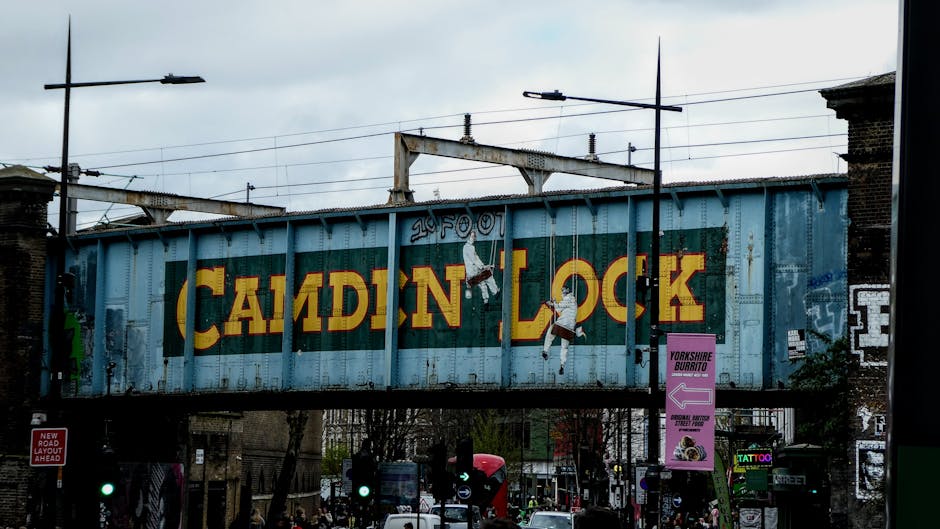
If you are moving, delivering, or clearing items in central London, Westminster & Camden loading bay rules can feel like a small detail that suddenly becomes a very expensive problem. One minute you are trying to get a van close to a front door; the next, you are staring at a ticket, a clamp risk, or a delay that throws the whole day off. Truth be told, that is exactly how many London fines start: not with bad intentions, but with poor planning.
This guide explains how the rules generally work, why they matter, where people go wrong, and how to make a loading stop smoother in real life. It is written for anyone handling a home move, office relocation, furniture pickup, or just a one-off bulky collection. If you want the practical version, not the legal waffle, you are in the right place.
Why Westminster & Camden Loading Bay Rules -- Avoid London Fines Matters
Loading bays in Westminster and Camden are designed to keep traffic moving, protect pedestrians, and give businesses, residents, and removal crews a fair way to load or unload goods. That sounds simple enough. In practice, these bays sit in some of the most tightly managed streets in London, where a few minutes of overstay can create a chain reaction: blocked traffic, impatient neighbours, and a penalty notice that ruins the budget.
The key thing to understand is that a loading bay is not a casual parking space. It is usually a controlled space with specific time windows, conditions of use, and sometimes local restrictions that can change by street, day, or vehicle type. If you assume "I only need ten minutes" is enough of a plan, you may be in trouble. London rarely rewards guesswork.
For removals, the issue is even sharper. A sofa does not politely wait on the pavement while you find a new bay. A delivery window does not stretch because the lift is busy. And if a crew is using a man and van service or a larger vehicle, the pressure builds quickly. One rushed stop can affect the rest of the route, the cost, and the customer experience.
These rules matter because they sit at the intersection of three things most people care about:
- saving money by avoiding fines or penalty charges
- keeping the move or delivery on schedule
- staying respectful of local access, residents, and other road users
That last point is easy to overlook. In a place like Westminster or Camden, access issues are not just an inconvenience. They are part of the daily traffic reality. Narrow roads, bus lanes, controlled parking zones, and loading restrictions all overlap. If your stop is not planned properly, even a simple job can turn into a bit of a circus. Not ideal when you are carrying boxes up three flights of stairs.
How Westminster & Camden Loading Bay Rules -- Avoid London Fines Works
At a practical level, the rules usually revolve around where you can stop, how long you can stay, whether loading is allowed at that time, and what counts as genuine loading activity. Councils generally expect the vehicle to be actively used for loading or unloading, not parked there while someone disappears for coffee. Fair enough, really.
In many parts of central London, you need to think about the following before you even turn the key:
- the exact bay location and street name
- posted signs showing loading times and restrictions
- how long loading is allowed in that bay
- whether the bay is shared with other parking uses at different times
- vehicle size and access limitations
- whether nearby restrictions apply, such as yellow lines, CPZ controls, or resident-only periods
For many removals, the biggest mistake is treating a loading bay like a guaranteed space. It is not. It is a regulated space with a purpose. If the bay is occupied or the timing is wrong, you may need a backup plan fast. That is why experienced movers often plan a nearby stopping point and keep the crew ready to move the moment the van is positioned.
The process usually works best when you think in stages:
- Check the street-level restrictions in advance. Do not rely on memory. London street rules can be annoyingly specific.
- Match your vehicle to the space. A larger removal vehicle may not fit where a smaller van would.
- Time the load properly. Loading should be organised so the van is not left sitting there while people search for items.
- Keep proof of active loading if needed. Crew presence, ramps, boxes, trolleys, and visible movement all help show the stop is legitimate.
- Have a fallback if the bay is unusable. Sometimes a nearby legal stop is better than forcing a bad one.
Where home moves are involved, using a service such as home moves support or a more tailored house removalists service can make the access side much easier to manage. The same goes for businesses that need careful timing, for example an office relocation service moving desks, IT gear, and archive boxes through a busy weekday morning.
One small but important nuance: loading bay use is often judged by behaviour as much as timing. If it looks like parking rather than loading, that can cause trouble. You want the activity to be obvious. No mystery pauses, no wandering off, no "I'll just be five minutes" trips that stretch into half an hour.
Key Benefits and Practical Advantages
Following the loading bay rules carefully is not just about avoiding penalties. It makes the entire job calmer, faster, and less stressful. That is the real win. Fewer surprises. Fewer arguments. Less clock-watching.
Here are the main advantages:
- Lower risk of fines or enforcement action. The obvious one, yes, but still the most expensive mistake people make.
- Smoother turnaround. A planned stop means less time circling the block and less manual carrying.
- Safer handling. When the vehicle is correctly positioned, moving heavy items is less awkward and less risky.
- Better use of labour. A crew standing around waiting for access wastes paid time. Nobody wants that.
- Less disruption to neighbours and businesses. In busy streets, predictability matters.
- Improved customer experience. The move feels more professional when access is handled well.
For some customers, this has a direct cost impact. If a bay stop is quick and efficient, you may avoid needing extra vehicle time, additional lifting, or repeat trips. That matters whether you are moving a flat, collecting a couch, or arranging a larger commercial move. It also helps when using removal truck hire or a moving truck for bulkier loads where every minute on a tight street counts.
There is another quiet benefit too: confidence. Once you know the rules, you stop second-guessing yourself. You can focus on the actual job instead of constantly checking the curb, the clock, and the next traffic warden round the corner.
Who This Is For and When It Makes Sense
This topic is relevant to far more people than just professional movers. If your vehicle needs to pause in Westminster or Camden for loading or unloading, you should care about the rules. Simple as that.
It makes particular sense for:
- homeowners and renters moving in or out of central London
- landlords and letting agents arranging furniture removal
- small businesses receiving stock or office equipment
- office managers coordinating a relocation
- students moving between flats and halls
- anyone booking a one-off pickup through a furniture pick up service
It also matters if you are using a lighter vehicle like a man with van option. People often assume smaller means simpler, but in central London the opposite can happen. Smaller vehicles may be easier to park, yes, but the rules still apply, and the pressure to load quickly often goes up because customers expect the process to be quick and tidy.
If you are handling a move on a tight budget, this becomes even more important. A fine can wipe out the savings from careful planning. That is why checking access is part of the job, not an optional extra. To be fair, it is often the part people think about last, which is exactly when it causes problems.
Step-by-Step Guidance
Here is a practical way to approach Westminster and Camden loading bay use without making life harder than it needs to be.
- Confirm the exact address and street. Do not just rely on the postcode. Two nearby streets can have very different access rules.
- Identify the nearest legal loading point. Look for marked bays and read the signs carefully. If anything is unclear, assume it is not safe to rely on guesswork.
- Check timing windows. Some loading bays are time-limited or shared with other uses. That means your slot may be narrower than you expect.
- Decide which vehicle is most suitable. A compact van, a larger moving truck, or a hired vehicle can all be the right choice depending on the job.
- Pre-pack for speed. Boxes labelled by room, wrapped furniture, and grouped items save real minutes on the day.
- Assign roles before arrival. Someone should be unloading, someone else should be receiving, and nobody should be digging through drawers in the doorway.
- Keep the loading route clear. Trolleys, straps, blankets, and a sensible stack order make the difference between smooth and chaotic.
- Move actively and continuously. A loading stop should look like loading. That is the key bit people forget.
- Have a backup if the bay is blocked. A quick plan B can save the day if a delivery vehicle, bin lorry, or another move is in the way.
- Review the stop before leaving. Make sure nothing has been left behind and that the vehicle is not overstaying by accident.
When the job is larger, using commercial moves support or a more structured logistics setup can help because it creates more discipline around timing and access. In practice, that means fewer "we'll just pop back for one more box" moments. Those little moments are where fines love to appear.
And yes, if the job includes boxes, wardrobe parts, and awkward items, packing and unpacking services can shave a lot of stress off the day. Not glamorous, but very useful.
Expert Tips for Better Results
Experienced London movers tend to think about loading bays in layers. First the rules, then the physical access, then the timing, then the human side of the job. That order matters.
- Arrive slightly earlier than you think you need to. In busy parts of London, five extra minutes can save twenty.
- Use a spotter if visibility is poor. Tight streets and blind corners are common around central boroughs.
- Keep heavy items nearest the loading point. You want the heaviest lifting done while the vehicle is properly positioned.
- Separate fragile items before the van arrives. Nothing slows a loading stop like reorganising breakables at the kerb.
- Track access issues during the booking stage. Staircases, lifts, resident permits, and narrow entries all affect loading speed.
- Match the crew size to the job. Too few people and the van sits too long; too many and the space gets crowded. There is a balance.
One simple habit helps more than people expect: walk the route from the loading point to the door before lifting anything. You notice steps, awkward turns, uneven slabs, and door widths that are much clearer in person than on a phone screen. It sounds almost too basic, but basic is often what saves the day.
If your move includes older furniture, lifted appliances, or awkward bulky items, you may also want to look at a route that uses the most suitable vehicle and handling method, not just the cheapest one. That is where removal truck hire or a good-sized moving truck can make more sense than squeezing everything into a smaller van and hoping for the best.
Common Mistakes to Avoid
Most loading bay problems come from a short list of mistakes. The good news? They are predictable, which means they are avoidable.
- Assuming a bay is available because it looks empty. Empty does not mean unrestricted.
- Ignoring the sign board. This one is painfully common, and yes, it still matters.
- Overstaying because the job is taking longer than expected. London does not usually offer sympathy on the basis of heavy furniture.
- Using the bay as storage space. Loading bays are for active loading, not standing around and chatting.
- Not checking for overlapping restrictions. For example, the bay itself may allow loading, but the nearby stretch may still have separate limitations.
- Booking the wrong size vehicle. Too small means multiple trips; too large can make the access problem worse.
- Leaving the loading plan until the day. That usually ends in a scramble.
The most expensive mistake is usually the most boring one: not checking the street properly before arrival. There is something almost comical about how often a whole moving day can be derailed by one missed sign. Not funny at the time, of course. But it is avoidable.
If you are unsure about the best fit for your job, it can help to compare vehicle and service options carefully through pricing and quotes. That is where the practical side of decision-making usually becomes clearer.
Tools, Resources and Recommendations
You do not need a huge toolkit to manage loading bay access well, but a few things make a big difference:
- Printed or saved job details. Keep the address, contact name, and timing in one place.
- Box labels and room lists. Faster unloading means less bay time.
- Furniture blankets and straps. They protect items and reduce fiddly re-handling.
- A basic hand trolley. Brilliant for boxes, awkward loads, and narrow turns.
- Phone battery and signal check. You would be surprised how often this becomes the weak link.
From a service perspective, the most useful recommendation is to choose support that fits the scale of the job. A small, quick city collection is often suited to man and van help. A bigger household move may need a more structured team. A business relocation may need more planning, more lift coordination, and more careful load sequencing.
For customers who care about responsible disposal and reuse, recycling and sustainability can also be part of the planning. That matters when you are clearing out old furniture, office surplus, or mixed household items. A tidy loading plan and a tidy disposal plan often go hand in hand.
If you want to understand the company's service standards, practical policies, or what happens with security and handling, the useful background pages are insurance and safety, health and safety policy, and payment and security. Those are the sorts of details that help you feel more settled before move day. Which, let's face it, is half the battle.
Law, Compliance, Standards, or Best Practice
There is no single universal rule set that applies identically to every bay in Westminster and Camden. That is why care is needed. Local traffic management, parking restrictions, and loading controls can vary street by street, and sometimes even by time of day. So while this guide gives practical best practice, you should still treat on-street signs and local conditions as the final word for the specific location.
In practical terms, compliance means three things:
- Follow the visible restriction signs. They are the immediate rule for the bay.
- Use the space only for genuine loading or unloading. No casual parking disguised as work.
- Keep the stop reasonable and active. If the loading operation pauses for too long, the risk rises.
Best practice is slightly broader than compliance. It includes planning the route, choosing the right vehicle, timing the stop carefully, and making sure the team knows what to do when the van arrives. That is especially important in central London, where access can change very quickly due to traffic, street works, or another vehicle already in the bay.
For larger jobs, keeping a written move plan is wise. It does not need to be fancy. A simple checklist with arrival time, bay location, contact number, and load order is often enough. Simple, but effective. And in London, effective beats clever every time.
Options, Methods, or Comparison Table
Here is a straightforward comparison of common loading and moving approaches in Westminster and Camden. The right choice depends on volume, access, and how much time you have available.
| Option | Best for | Pros | Watch out for |
|---|---|---|---|
| Small van or man and van | Light moves, quick pickups, narrow streets | Easier to position, often simpler in tight areas | May need more trips if volume is underestimated |
| Medium moving truck | House moves, larger clear-outs | More capacity, fewer return journeys | Harder access in some streets, more planning needed |
| Removal truck hire | Jobs where the customer manages loading | Flexible if you already have a team | Loading speed still matters a lot |
| Full removal support | Busy home or office moves | More control, fewer gaps in the process | Usually needs earlier booking and clearer access planning |
The practical point here is not that one option is universally better. It is that the best option for a Westminster side street may be different from the best option for a Camden townhouse or office entrance. Context matters, and a lot.
Case Study or Real-World Example
Picture a weekday morning in Camden. A flat move is booked for late morning, and the client assumes the van can "just stop outside for a bit." The street looks wide enough from a distance, but there is a loading bay already partly occupied, a busier-than-expected traffic flow, and limited space for turning. The team arrives, finds the bay condition is not as straightforward as hoped, and has to regroup quickly.
Now compare that with a better-run version of the same job. The access point is checked before the day. The crew knows the exact bay and timing window. Boxes are grouped by room. Bulky furniture is disassembled where possible. The person receiving the items is ready at the door. The stop is short, active, and orderly. The load is on the vehicle, the bay is cleared, and everybody moves on with the day intact.
The difference is not magic. It is planning.
That sort of planning matters even more for businesses, especially if they are moving equipment or stock through a narrow city street. A commercial move can get expensive quickly if access is not staged properly. Using the right mix of commercial moves planning and the right vehicle size makes the whole process far less stressful. And frankly, less embarrassing too when you are trying to keep the team calm and the client informed.
Practical Checklist
Use this before you rely on a loading bay in Westminster or Camden. It is simple, but it saves headaches.
- Confirm the exact street and entrance
- Check the loading bay signs in advance
- Verify the time window for loading or unloading
- Make sure the vehicle size suits the street
- Plan the load order before arrival
- Label boxes and separate fragile items
- Keep trolleys, straps, and blankets ready
- Assign roles to the people involved
- Have a backup stop or fallback plan
- Keep the loading activity active and obvious
- Leave the bay as soon as the job is done
Expert summary: The safest approach is usually the simplest one: know the street rules, match the vehicle to the access, and keep the loading stop quick and clearly active. That is how you avoid the kind of London fine that starts as a small delay and ends as a very annoying story.
If you are still planning the move itself, it can help to review the broader service options on about us and see how the team approaches practical handling, scheduling, and customer care. If you already know you need help, you can also move straight to contact us for a next step.
Conclusion
Westminster and Camden are manageable places to load and unload in, but only if you respect the rules and plan like the street is going to fight back a little. Because sometimes it will. The loading bay itself is not the problem; misunderstanding it is. Once you treat it as a controlled working space rather than a convenient pause point, the whole job becomes more predictable and less stressful.
Whether you are moving home, relocating a team, or collecting bulky furniture, the same principles apply: check the bay, move efficiently, keep the crew focused, and build in a fallback. Do that, and you dramatically reduce the risk of London fines while making the day feel far less chaotic.
Get a free quote today and see how much you can save.
And if all you do after reading this is spend ten extra minutes checking the street before the van arrives, that may be the smartest ten minutes of the whole move. Honestly.
Frequently Asked Questions
What are Westminster and Camden loading bay rules in plain English?
They are the local conditions that say when, where, and how long a vehicle can stop for genuine loading or unloading. The exact details depend on the street signs and local restrictions.
Can I park in a loading bay while I move boxes?
You can usually use a loading bay only if you are actively loading or unloading. It is not meant for general parking, waiting around, or leaving the vehicle unattended for long periods.
How do I avoid London fines when loading in central areas?
Check the street signs before arrival, use the correct vehicle, keep the activity active, and do not overstay. A clear plan and quick unloading are usually the best defence.
Do smaller vans make loading bay use easier?
Sometimes, yes. A smaller van can be easier to position in tight streets, but it still has to follow the same loading rules. Smaller does not mean exempt.
What if the loading bay is already occupied?
You need a backup plan. That may mean waiting briefly if allowed, using another legal stop nearby, or adjusting the timing. Forcing it is rarely worth the risk.
Are loading bay rules the same on every street in Westminster and Camden?
No. That is one of the biggest mistakes people make. Rules can vary by street, time of day, and type of restriction, so the sign at the exact location matters most.
Is a removal truck better than a van for London loading bays?
It depends on the job. A larger truck may reduce the number of trips, but it can be harder to place in tight streets. A van may be easier to position, but may require more time if the load is large.
How long should a loading stop take?
There is no single answer. The key is that the stop should be reasonable, active, and consistent with the amount of loading actually being done. The longer the stop, the more important good planning becomes.
Do I need professional help for a house move in Camden or Westminster?
Not always, but it helps when access is tight, the load is heavy, or the timing is difficult. Services like home moves or house removalists can reduce the stress.
What is the best way to prepare for an office relocation with loading restrictions?
Plan the route early, stagger the load, label items clearly, and make sure the receiving side is ready. For business moves, structured office relocation services usually make access control much easier.
Can packing services help with loading bay time?
Yes. Well-packed and labelled items load faster, which can shorten your stop and reduce stress. That is where packing and unpacking services can be genuinely useful.
Where can I check pricing before booking help?
You can review pricing and quotes to get a clearer idea of which service level fits your job and budget.
What should I do if I am unsure about compliance or safety?
Start with the street signs, then review practical support pages such as health and safety policy and insurance and safety. If the access looks tricky, ask for advice before the moving day rather than after.
Is there a way to make the whole process less stressful?
Yes: plan early, pack clearly, choose the right vehicle, and keep the loading active. A calm, organised stop usually feels much easier than trying to fix everything at the kerb on the day. Funny how often that still catches people out.